MICAH Speaks the Truth That Hurts: “Silence Kills” Is the Grown Man R&B Record We’ve Been Waiting For
The modern neo-soul artist delivers a masterclass in emotional honesty “Silence Kills” captures the quiet devastation of love losing its voice MICAH’s latest is a soulful reckoning with the most dangerous force in any relationship: the unsaid
There is a specific kind of pain that does not announce itself. It does not arrive with slammed doors or raised voices. It settles in slowly, like fog rolling into a room you thought you knew, until one day you look across the dinner table at the person you love and realize you have both become strangers to each other. That is the territory MICAH has chosen to inhabit on his arresting new single, “Silence Kills”, and he does so with a level of emotional precision and vocal authority that immediately marks this record as something rare.
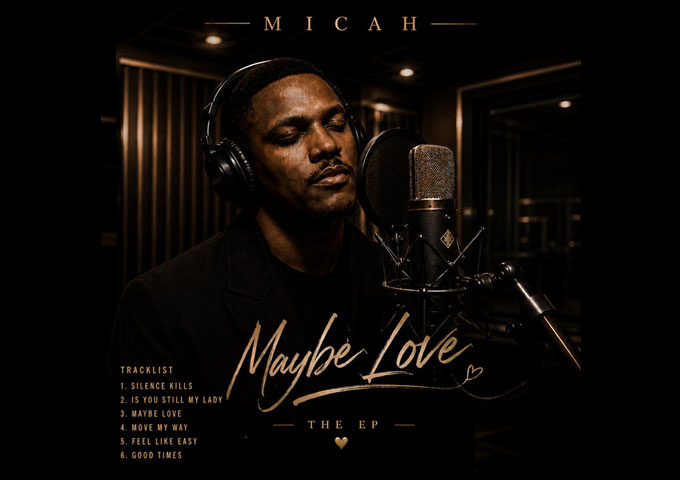
MICAH is a modern neo-soul and R&B artist engineered for exactly this kind of storytelling. A creation of producer DRAI, MICAH represents an AI-powered soul voice built around the themes that matter most in adult life: real relationships, mature love, and the ongoing work of personal growth. His sonic palette is warm Rhodes melodies, smooth grooves, deep 808s, and intimate vocals that draw natural comparisons to Daniel Caesar, Lucky Daye, and Leon Bridges. With “Silence Kills”, however, MICAH steps into a conversation that runs even deeper, aligning himself with the Grown Man R&B tradition of artists like Kem, Musiq Soulchild, and Brian McKnight, men who understood that the most powerful love songs are the ones brave enough to tell the truth. And the truth at the center of “Silence Kills” is both simple and devastating: what goes unsaid in a relationship can cause more damage than any argument ever could.
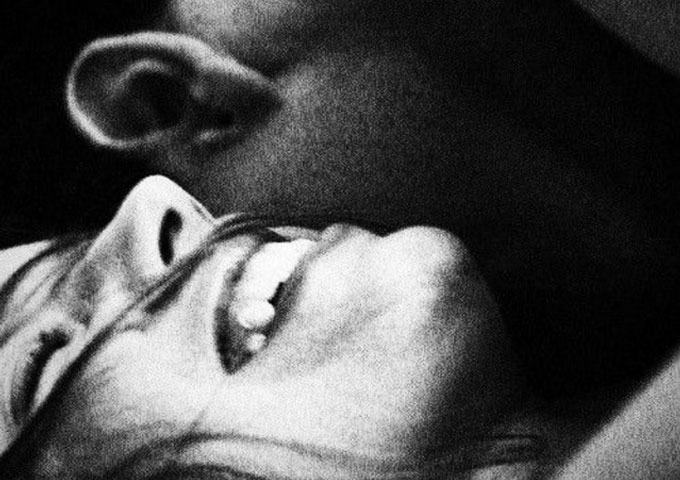
The track opens with a scene so domestic and recognizable it almost hurts. Dinner is on the table, the television is the only voice in the room, and a phone screen competes for attention with the living, breathing person sitting right there. MICAH does not dramatize this moment. He observes it, and in doing so, he gives it weight. The power of this opening is that it is not cinematic, it is Tuesday night. It is the quiet accumulation of disconnected evenings that most couples never talk about because to name it would mean admitting something is wrong.
What follows is one of the most structurally accomplished pieces of lyric writing in recent R&B memory. The verses are introspective and measured, almost conversational in their delivery, drawing the listener into an interior world of watching and wondering. MICAH describes searching someone’s eyes for the person he used to know, noticing that conversations have become half-transparent, feeling the eerie sense that an invisible third party has moved into the emotional space between two people. There is no villain in this story. There is no betrayal, no explosive moment of crisis. There are just two hearts slowly drifting apart without either person fully understanding how it happened.
The songwriting grows more complex and more compassionate as the track develops. MICAH observes that the small acts of love are still present: coffee made in the morning, clothes folded on occasion. But something essential has drained out of those gestures. The form remains while the feeling has gone quiet. This is a nuanced observation that most songwriters would not think to make, but it captures something genuinely true about how long-term relationships deteriorate. The rituals outlast the intimacy, and for a while, the rituals fool everyone into thinking nothing has changed.
The chorus is where “Silence Kills” earns its name, and where MICAH‘s vocals shift from measured introspection to uncontrollable, gospel-inflected release. His declaration that silence kills more than angry words is not just a lyrical hook, it is a thesis statement. The argument is this: when two people are fighting, they are still fighting for something. They are still invested enough to be hurt. The truly dangerous stage is not conflict but its absence, that hollow plateau where touch disappears, where feeling real becomes an effort, where the quiet in the house stops feeling like peace and starts feeling like a premonition.
There is a bridge moment in the song that may be its most vulnerable and its most courageous. MICAH admits that he would rather hear his partner cry than pretend everything is fine. It is a confession that reframes what honesty costs in a relationship, and it lands with the kind of emotional weight that only comes from writing that is rooted in genuine experience rather than constructed drama. He speaks of reaching across the bed in his sleep, only to wake and realize just how wide the distance between them has truly grown. That image is devastating in its simplicity, the body still remembering closeness that the relationship has quietly abandoned.
The song’s final lines carry a philosophical weight that elevates “Silence Kills” beyond the category of mere breakup anthem. The observation that love does not always leave loudly, that sometimes it simply goes quiet, reframes the entire listening experience in retrospect. Every hushed dinner and unanswered gesture and half-finished conversation described throughout the track takes on new meaning. This is not a song about a moment. It is a song about a process, the slow, almost imperceptible erosion of connection that can happen to any couple that stops choosing to reach for each other.
Sonically, “Silence Kills” is exactly what the best neo-soul records should feel like: warm enough to draw you in, honest enough to make you uncomfortable, and crafted with enough care that you want to return to it repeatedly. The production under DRAI‘s stewardship gives MICAH‘s vocals the space they need to breathe and expand, building through the verses before the chorus opens into something that genuinely soars. The instrumentation never overpowers the lyrical content, always serving the story being told rather than decorating around it.
For listeners who have grown weary of R&B that prioritizes surface over substance, “Silence Kills” is the record that restores faith. It speaks directly to couples navigating the quieter challenges of long-term commitment, to mature audiences who understand that love requires constant tending, and to anyone who has ever sat in a room with someone they care about and felt impossibly alone. That is not a small audience. That is most of us, at some point or another.
MICAH arrives with “Silence Kills” not just as an artist with a compelling sound, but as a voice capable of articulating the emotional experiences that matter most and doing so with a grace, depth, and authenticity that the genre has always needed more of. This is Grown Man R&B in its truest sense: music made by someone who understands that real love is not always about the grand declarations. Sometimes, it is about having the courage to say what needs to be said before the quiet gets too loud to overcome.